Trump’s $1.8 Billion Fund: A Political Slush Fund or a Just Compensation Scheme?
As the U.S. Senate Judiciary Committee prepares to reconsider Todd Blanche’s nomination for attorney general, Donald Trump has reignited discussions surrounding a controversial $1.8 billion fund aimed at what he calls the “anti-weaponization” of government. This fund has sparked debates not only about its intended purpose but also about the implications of political corruption in the current administration. Investigators and conspiracy theorists alike are closely watching these developments, as they may reveal deeper layers of political maneuvering and potential abuses of power.
The Senate Judiciary Committee Meeting
Scheduled for early next week, the Senate Judiciary Committee’s meeting will focus on Todd Blanche’s nomination, which has faced significant hurdles. The nomination has stalled primarily due to disagreements between Trump and outgoing Republican senators John Cornyn and Thom Tillis. Both senators are demanding assurances that the Justice Department will not establish the proposed fund, which they view as a potential slush fund for political allies.
Chuck Grassley, the committee chair, has expressed a desire to see Blanche confirmed before the August recess, citing his strong record in law enforcement. However, the ongoing disputes raise questions about the integrity of the nomination process and the motivations behind the proposed fund.
Trump’s Vision for the Fund
During a recent cabinet meeting, Trump reiterated his commitment to the fund, describing it as a means to compensate individuals he believes have been wrongfully targeted by the government. He stated, “I’d like to see them compensated for the pain,” framing the fund as a necessary remedy for those he claims have suffered under political persecution.

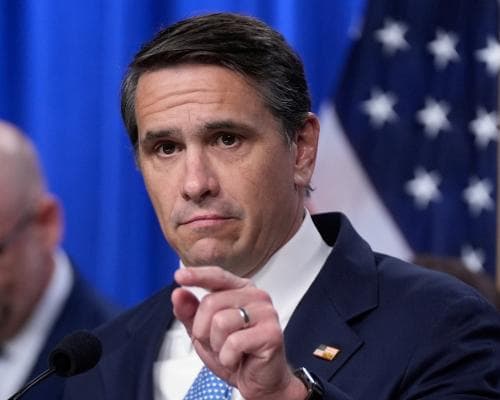
Lead image — via The Guardian
Critics, however, argue that the fund serves a different purpose entirely. They contend that it is a mechanism for Trump to reward loyalists and allies who have faced legal challenges, thus raising serious concerns about political corruption. This duality of perception—between a protective measure for victims of government overreach and a potential slush fund for political favors—fuels ongoing speculation about the true intentions behind the fund.
Key Points of Contention
- Political Favoritism: Critics argue the fund could be used to compensate allies rather than genuine victims.
- Legal Implications: The fund was part of a legal settlement related to Trump’s lawsuit against the IRS.
- Senatorial Opposition: Cornyn and Tillis are concerned about the fund’s implications for law enforcement and accountability.
The Fallout from the Epstein Investigation
The controversy surrounding Blanche’s nomination is further complicated by his handling of investigative files related to Jeffrey Epstein, a figure whose connections to powerful individuals have long fueled conspiracy theories. Victims of Epstein have expressed concerns over Blanche’s ability to navigate these sensitive issues, adding another layer of complexity to his potential confirmation.
Trump’s previous attorney general, Pam Bondi, faced similar scrutiny during her nomination process, highlighting a pattern of contentious confirmations linked to high-profile investigations. The ongoing negotiations and back-and-forth between senators may ultimately determine whether Blanche can secure the position, but the implications of his nomination extend far beyond the Senate floor.
The Broader Implications of Political Corruption
The discussions surrounding Trump’s $1.8 billion fund and Blanche’s nomination raise critical questions about the intersection of politics and corruption. As Trump threatens to withdraw Blanche’s nomination if he does not receive the support he desires, the potential for political retribution looms large. This situation exemplifies the ongoing struggle within the Republican Party, where loyalty to Trump often supersedes traditional party lines.
As the Senate committee prepares for its meeting, the stakes are high. The outcome could set a precedent for how political funds are utilized and regulated in the future, potentially reshaping the landscape of political accountability in the United States.
Open Questions for Investigators
- Will the Senate Judiciary Committee ultimately approve Todd Blanche’s nomination, or will political tensions derail it?
- How will the discussions around Trump’s fund influence perceptions of political corruption in the current administration?
As these events unfold, the implications for both the Trump administration and the broader political landscape remain to be seen. Investigators and conspiracy theorists alike will be watching closely as this story develops.