AstraZeneca's Non-Deal: A Curious Case of Corporate Strategy and Ethics
AstraZeneca's abrupt decision to abandon its potential acquisition of Bristol Myers Squibb (BMS) has left investors and analysts scratching their heads. Initially reported as a significant move that could create a $400 billion pharmaceutical powerhouse, the talks quickly fizzled out, leading to a 9% drop in AstraZeneca's share price. This unexpected turn of events raises critical questions about the ethics of corporate decision-making in the pharmaceutical sector and the implications for shareholders.
The Fallout from the Non-Deal
The sudden halt in discussions between AstraZeneca and BMS has sparked a wave of speculation. While initial reports suggested that AstraZeneca was exploring a takeover, subsequent confirmations indicated that no formal negotiations were underway. This lack of clarity has left shareholders in the dark, unsure whether the talks were serious or merely exploratory.
The implications of this non-deal are significant. AstraZeneca's CEO, Sir Pascal Soriot, has built a reputation for focusing on long-term growth through innovation rather than short-term gains from acquisitions. His strategy has led to a successful track record over the past 14 years, emphasizing the importance of investing in promising research rather than engaging in debt-fueled mergers. Yet, the abrupt end to the BMS talks raises questions about whether this approach is shifting.
The Ethical Dilemma
The pharmaceutical industry is often scrutinized for its ethical practices, particularly regarding mergers and acquisitions. AstraZeneca's non-deal with BMS highlights the ethical considerations that come into play when large corporations contemplate significant changes. The potential for monopolistic behavior, especially in the oncology sector where both companies excel, raises concerns about patient access to medications and the overall impact on healthcare costs.
- Key Ethical Questions:
- How do mergers affect drug pricing and availability?
- What are the implications for innovation in the pharmaceutical industry?
- Are shareholders being adequately informed about strategic decisions?
The Strategic Landscape
Despite the apparent setback, some analysts argue that there could have been strategic advantages to the merger. Both AstraZeneca and BMS have strong portfolios in oncology, and a merger could have positioned them as leaders in this lucrative market. However, the potential for regulatory hurdles and the complexities of integrating two large companies may have deterred AstraZeneca from pursuing the deal further.

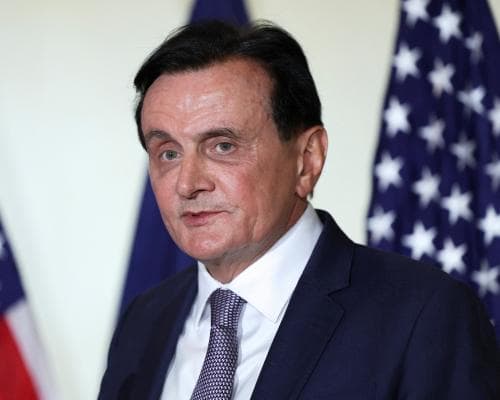
Lead image — via The Guardian
Moreover, BMS is facing challenges as a key cancer treatment approaches the end of its patent life, which could have influenced AstraZeneca's decision-making process. The question remains: was this non-deal a missed opportunity for AstraZeneca to strengthen its market position, or a prudent decision to avoid potential pitfalls?
Looking Ahead: What’s Next for AstraZeneca?
As Sir Pascal Soriot approaches the later stages of his tenure, the future direction of AstraZeneca remains uncertain. The company's commitment to innovation and long-term growth is commendable, but the allure of the U.S. market and the potential impact of artificial intelligence on drug development could shift strategic priorities. Soriot's reluctance to engage in mega-deals has been a cornerstone of AstraZeneca's identity, but will this philosophy change as the industry evolves?
Transparency is Key
AstraZeneca's shareholders deserve clarity regarding the company's strategic vision. If Soriot is open to the idea of pursuing larger acquisitions in the future, it is essential for him to communicate this to investors. The pharmaceutical landscape is rapidly changing, and greater transparency could help build trust and confidence among stakeholders.
In conclusion, AstraZeneca's non-deal with BMS serves as a reminder of the complexities and ethical considerations inherent in the pharmaceutical industry. As the company navigates its future, the questions remain: Will AstraZeneca continue to prioritize innovation over acquisitions? And how will the evolving landscape of pharmaceutical ethics shape its strategic decisions?