Summary
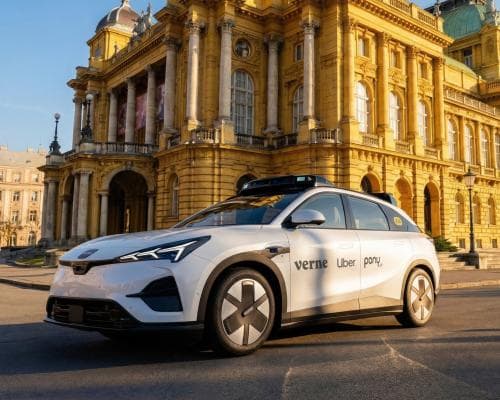
Uber has launched a trial of autonomous vehicles in Manchester, marking a significant step towards introducing robotaxis in the UK. This initiative, in collaboration with partners Pony and Verne, follows the recent establishment of Europe’s first autonomous taxi service in Zagreb, Croatia. While Uber expresses enthusiasm about making this technology accessible, the trial raises concerns regarding safety, job security for drivers, and the implications for public transport.
What Happened
On October 14, 2026, Uber announced the commencement of its self-driving robotaxi trials in Manchester, utilizing technology from its partners Pony and Verne. The initial phase involves mapping the city’s streets with a safety driver present in the vehicle, but without passengers. This trial follows limited passenger services that began in London in September 2026, where safety drivers are also required under local regulations.
Verne confirmed the start of autonomous vehicle testing in Manchester via social media, while Pony indicated plans for future robotaxi services in the city. However, as of now, no official applications have been submitted to operate passenger services in Manchester, according to Transport for Greater Manchester.
Why It Matters
The introduction of self-driving technology in urban areas has sparked significant debate. Unions representing Uber drivers, such as the GMB and ADCU, have voiced strong opposition, warning that the rollout of robotaxis could result in thousands of job losses. They are calling for support for affected drivers as the industry evolves.
Additionally, a recent report from the London assembly’s transport committee highlighted concerns about the claimed benefits of autonomous vehicles. It raised issues regarding the potential impact on public transport, congestion, and the accessibility of services for disabled passengers. The committee urged the government to take control over the regulation of autonomous taxi services, reflecting the growing unease surrounding the technology’s implementation.
Transport for Greater Manchester has emphasized the need for safety and responsible integration of new technologies, stating that they require strong assurances that no autonomous vehicles will pose risks to residents.
What Remains Uncertain
While Uber aims to expand its robotaxi services to as many as 15 cities globally by the end of 2026, primarily in the US and the Middle East, the future of autonomous vehicles in the UK remains uncertain. The lack of official applications for passenger services in Manchester and the mounting opposition from drivers and unions indicate that significant hurdles must be overcome before widespread adoption can occur. The ongoing discussions about safety, job security, and the overall impact on urban transport will likely shape the trajectory of this technology in the UK.
For further details, see the original report from The Guardian.