China's Tech Advances: A New Era of Competition and Surveillance Concerns
In recent weeks, China's rapid advancements in technology, particularly in artificial intelligence (AI), chip manufacturing, and robotics, have sent shockwaves through Silicon Valley and the White House. This surge not only threatens the competitive landscape for U.S. tech companies but also raises critical questions about surveillance and national security. As investigators delve into these developments, understanding the implications of China's tech rise becomes paramount.
The Open-Source AI Challenge
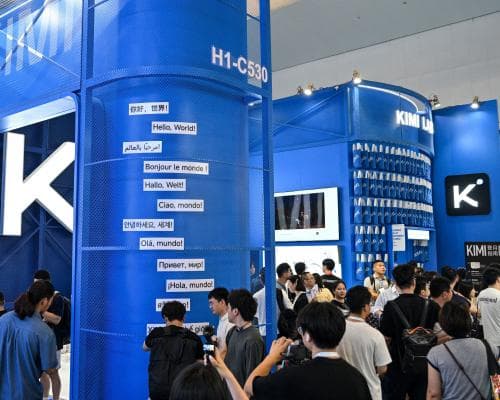
One of the most significant disruptions has come from China's introduction of open-source AI models, such as Moonshot AI's Kimi K3. These models are available for free, allowing users to download and implement them without the hefty price tag associated with proprietary systems from companies like OpenAI and Anthropic. This shift has ignited fierce debates among U.S. tech leaders, who are now grappling with the implications of these accessible technologies.
The emergence of these models has divided the tech industry and government officials. On one side, chip manufacturers see a lucrative opportunity in the growing demand for AI, while others, particularly established firms like OpenAI and Anthropic, express concerns over security risks posed by these Chinese alternatives. The question arises: could these open-source models serve as a cover for surveillance, enabling the Chinese government to gather data under the guise of technological advancement?
Divisions in the White House
The Biden administration finds itself at a crossroads, historically cautious of China's technological ambitions yet reluctant to stifle innovation in the U.S. Treasury Secretary Scott Bessent has hinted at potential sanctions against Chinese AI firms for alleged intellectual property theft, while Commerce Secretary Howard Lutnick has received pleas from tech startups urging against restrictions on these open models. This internal conflict reflects a broader struggle to balance national security with economic growth.

Lead image — via The Guardian
As the Trump administration contemplates banning or limiting the use of Chinese open-source models, a coalition of major tech companies, including Microsoft and Nvidia, has publicly advocated for keeping these models accessible. Their argument centers on the need to foster innovation without compromising security, but it also raises the question of whether these companies are prioritizing profit over potential risks associated with surveillance.
The Robotics Dilemma
In a related move, the Federal Communications Commission (FCC) recently announced a ban on humanoid robots from China, citing national security concerns. These robots, produced by companies like Unitree, have gained popularity for their impressive capabilities, including dancing and human interaction. However, the FCC's assertion that these machines could be used for data theft or surveillance highlights the growing anxiety surrounding China's tech exports.
This ban is a clear indication of the U.S. government's stance on emerging technologies from China, which are increasingly seen as threats to national security. As the competition between the U.S. and China intensifies, the implications for both markets and technological innovation are profound. The FCC's actions may serve as a warning to other nations about the potential risks associated with adopting Chinese technology.
Market Reactions and Future Implications
The financial markets have reacted sharply to these developments, with reports indicating that China's mass production of specialty chips crucial for AI has led to significant sell-offs, erasing over $1 trillion in market value from U.S. chip manufacturers. This volatility underscores the interconnectedness of global tech markets and the potential fallout from China's advancements.
As U.S. tech companies navigate this turbulent landscape, the divisions within Silicon Valley may deepen, leading to a more fragmented industry. The Trump administration's response to these challenges will be closely watched, as it seeks to balance the need for innovation with the imperative of national security.
As we analyze these unfolding events, several questions remain:
- How will U.S. tech companies adapt to the competitive pressures posed by China's advancements?
- What measures will the Trump administration implement to safeguard against potential surveillance threats?
Understanding these dynamics is crucial for anyone investigating the implications of global tech competition and the potential for surveillance in the age of AI.