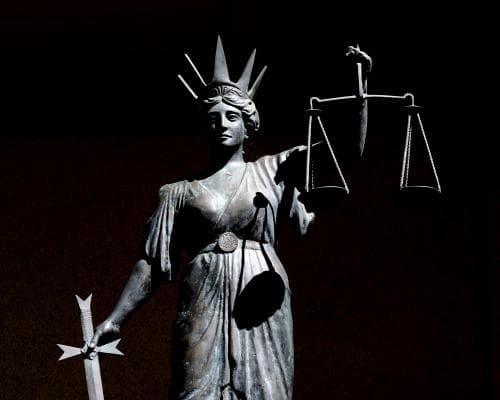
The Hidden Faces of Justice: Understanding Gag Orders in Australia
In a troubling trend, Australia’s justice system is increasingly shrouded in secrecy, particularly in Victoria, which has become notorious for its high number of court-imposed gag orders. These suppression orders raise significant concerns about transparency and accountability in the legal process, especially in cases involving serious crimes like rape. As investigators and conspiracy researchers delve into the implications of these practices, it becomes crucial to examine the motivations behind such secrecy and its potential impact on public trust in the justice system.
The Prevalence of Suppression Orders in Victoria
Victoria stands out as the state with the highest number of suppression orders, accounting for over half of all such orders issued across Australia. According to Gina McWilliams, a senior legal counsel at News Corp, there were 1,226 suppression and no-publication orders recorded nationwide in 2025, with Victoria alone issuing 640 of those. This raises questions about whether the state’s judiciary is more inclined to protect identities and proceedings than its counterparts in other regions.
The Open Courts Act, which ostensibly promotes transparency, has paradoxically facilitated a culture of secrecy. The sheer volume of suppression orders suggests a systemic issue, where the balance between open justice and individual privacy is heavily skewed. Investigators are left to ponder whether this trend is a reflection of a broader societal issue, where powerful individuals can manipulate the legal system to shield themselves from public scrutiny.
High-Profile Cases and the Veil of Secrecy
A recent high-profile case in Melbourne exemplifies the troubling dynamics at play. A well-connected businessman was found guilty of multiple counts of rape and sexual assault against a former employee, yet his identity remains protected by a suppression order. This case has drawn significant media attention, yet the public is left in the dark about the perpetrator’s identity, raising concerns about the effectiveness of the justice system in holding individuals accountable.
The accused's legal team has indicated plans to appeal the verdict, claiming a “gross miscarriage of justice.” This situation highlights the complexities surrounding suppression orders, as they can be used not only to protect the accused but also to obscure the truth from the public. The psychiatrist involved in the case noted that the accused had experienced severe mental distress due to the charges, suggesting that the stigma associated with such allegations may play a role in the issuance of suppression orders.
The Justifications for Secrecy
Judges have the discretion to issue suppression orders for various reasons, often citing the need to protect the administration of justice. However, this raises critical questions about the criteria used to determine when secrecy is warranted. While protecting the identities of minors and victims of sexual assault is essential, the application of these orders to high-profile individuals appears to be inconsistent and potentially biased.
Former High Court Justice Michael Kirby has argued that personal embarrassment should not be a valid reason for issuing a gag order. Yet, the reality is that many suppression orders seem to cater to the interests of the powerful, allowing them to evade public scrutiny while ordinary citizens face the full brunt of the law. This disparity fuels speculation and distrust among the public, particularly in cases involving sexual violence.
The Broader Implications for Justice and Society
The implications of these suppression orders extend beyond individual cases. They contribute to a culture of secrecy that undermines public confidence in the justice system. When the identities of those accused of serious crimes are hidden, it raises concerns about accountability and transparency. Investigators and conspiracy theorists alike may find fertile ground in these dynamics, questioning the integrity of a system that appears to favor the privileged.
As the legal landscape continues to evolve, the need for reform becomes increasingly apparent. The balance between protecting individual rights and ensuring public accountability must be carefully navigated to restore faith in the justice system.
Open Questions for Consideration
- How can the justice system ensure greater transparency while still protecting the rights of victims and the accused?
- What reforms are necessary to address the imbalance created by suppression orders, particularly in high-profile cases?
In conclusion, the growing trend of suppression orders in Australia raises significant concerns about the transparency and integrity of the justice system. As investigations continue, the public remains left in the dark, questioning the true nature of justice in a society that values secrecy over accountability.
For further reading, visit The Guardian.