Russia Arrests Japanese Journalist: A Sign of Rising Tensions
The recent arrest of Yuki Imai, a journalist from Japan's Hokkaido Shimbun, on allegations of espionage in Russia, underscores the escalating tensions between Moscow and Tokyo. This incident not only raises questions about press freedom but also highlights the complex geopolitical landscape in which journalists operate, particularly in regions fraught with historical disputes and current conflicts. Investigators and conspiracy theorists alike may find this case particularly intriguing as it reflects broader narratives of espionage and international relations.
The Arrest: What We Know
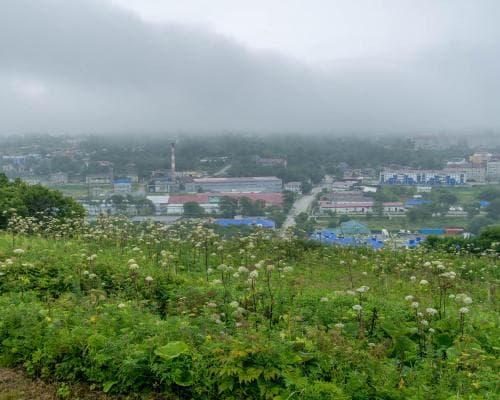
Imai was detained on Sakhalin Island, where he was reportedly preparing to return to Japan. The Russian Federal Security Service (FSB) claims he was gathering intelligence on Russia's defense capabilities, allegedly intending to relay this information to Japanese intelligence agencies. The FSB's swift action included a dramatic arrest, captured on video, where masked officers stormed Imai's hotel room, handcuffing him before transporting him to Moscow for pre-trial detention.
The charges against Imai are serious, with potential penalties of up to 20 years in prison. This incident has drawn immediate attention from Japan's foreign ministry, which has called for fair treatment of the detained journalist. The Hokkaido Shimbun has also expressed concern for Imai's safety, emphasizing their commitment to ensuring his well-being during this troubling time.
Historical Context: Tensions Between Japan and Russia
The backdrop of Imai's arrest is a long-standing and complicated relationship between Japan and Russia, particularly regarding territorial disputes over the Kuril Islands. These islands, which Japan refers to as the Northern Territories, have been a point of contention since the end of World War II. Japan's support for Ukraine amidst the ongoing conflict with Russia has further strained relations, leading Moscow to label Japan as an