Undercover Police Unit Shut Down Amid Surveillance Scandal
The recent revelations from the spycops inquiry have sent shockwaves through the public, highlighting the troubling practices of an undercover police unit that operated for decades. The Special Demonstration Squad (SDS), once considered a prestigious unit within Scotland Yard, was disbanded after serious allegations of unjustified surveillance on political activists. This situation raises critical questions about government overreach and the ethical implications of surveillance practices in a democratic society.
The Unjustified Surveillance of Political Activists
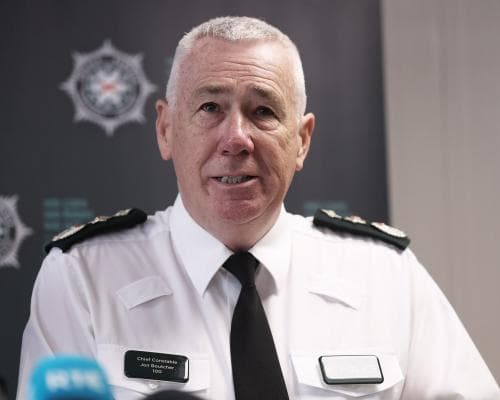
Jon Boutcher, a senior police officer who took charge of the SDS, reported that the unit was engaging in surveillance activities that were not only unjustified but also poorly managed. According to Boutcher, the majority of the political groups targeted by the SDS posed no real threat to public order or democracy. These groups included pro-Palestinian activists and various leftist organizations, which raises concerns about the motives behind such extensive surveillance.
Boutcher's testimony indicates a stark contrast in priorities, as he noted that very few undercover officers were assigned to infiltrate genuine terrorist threats. Instead, the SDS focused its resources on monitoring political dissent, which many see as a blatant misuse of power. This misallocation of resources not only undermines public trust but also highlights a troubling trend of governmental overreach in monitoring citizens who engage in lawful political activities.
The Damaging Impact of Undercover Operations
The inquiry has revealed that the SDS engaged in deeply invasive practices, including forming intimate relationships with individuals they were surveilling without disclosing their true identities. Boutcher described the actions of some SDS operatives as “sexual abuse of many vulnerable women,” which has caused profound harm to those affected. This raises significant ethical questions about the conduct of undercover officers and the psychological impact on individuals who were unwittingly drawn into these operations.

Lead image — via The Guardian
Furthermore, the inquiry has scrutinized the SDS's surveillance of grieving families, such as those of victims of police violence. Such actions not only demonstrate a lack of respect for personal tragedy but also suggest a broader pattern of invasive surveillance that extends beyond legitimate law enforcement needs.
A Toxic Atmosphere and Resistance to Change
As the inquiry progressed, it became evident that the SDS operated in a “toxic” environment, characterized by a siege mentality. Boutcher noted that the unit was resistant to change and had become insular, making it difficult to reform its practices. Initially, he believed that the SDS could be redirected to focus on genuine threats, particularly terrorism. However, he quickly realized that the unit's entrenched culture and practices made meaningful reform nearly impossible.
The inquiry has also uncovered troubling financial practices within the SDS, including claims of excessive overtime and a lack of accountability for public funds. This raises further questions about the integrity of the unit and the oversight mechanisms in place to monitor such operations.
The Broader Implications of Surveillance Practices
The closure of the SDS serves as a critical reminder of the potential dangers of unchecked surveillance and the need for robust oversight of law enforcement agencies. As the inquiry continues to examine the actions of 139 undercover officers, it is essential to consider the broader implications of such practices on civil liberties and public trust in government institutions.
The revelations surrounding the SDS not only highlight the need for accountability but also underscore the importance of protecting the rights of individuals engaged in political activism. In an era where surveillance technology is more advanced than ever, the balance between security and civil liberties remains a contentious issue.
As we reflect on the findings of the spycops inquiry, several questions arise:
- How can we ensure that law enforcement agencies are held accountable for their surveillance practices?
- What measures can be implemented to protect the rights of political activists from unjustified surveillance?
The answers to these questions will be crucial in shaping the future of surveillance practices and maintaining the integrity of democratic institutions.