Ukraine's Desperate Search for Missile Defense: Military Secrets and Failures Exposed
As the conflict in Ukraine escalates, the country is in urgent need of effective missile defense systems to counter relentless Russian bombardments. Recent reports indicate that Ukraine may turn to a new, cost-effective version of the Patriot missile system, known as the PAC-3 Adapted Capability Effector (ACE). This development not only highlights Ukraine's resourcefulness in military production but also raises questions about the implications of sharing sensitive military technology amid ongoing hostilities.
The Need for Affordable Defense Solutions
Ukraine's military has faced significant challenges in intercepting Russian missiles, with recent attacks resulting in numerous civilian casualties. On a single day, at least 17 people lost their lives in Kyiv due to heavy bombardment, underscoring the urgency for effective defense mechanisms. Reports suggest that Ukrainian forces have been unable to intercept any incoming missiles, prompting discussions about alternative solutions.
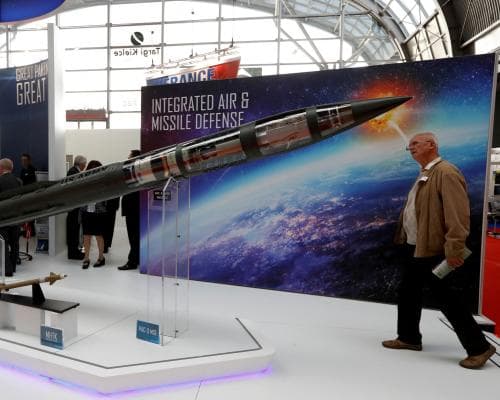
The PAC-3 ACE missile, developed by Lockheed Martin, is being considered as a viable option. This new interceptor is expected to be significantly cheaper than traditional Patriot missiles, costing less than half the price. The potential for Ukraine to produce some components domestically and assemble them in Germany could expedite the process, although officials caution that full-scale production may still take years to implement.
Military Technology and Secrecy Concerns
The discussions surrounding the Patriot missile system have not been without controversy. Former President Donald Trump has expressed concerns about the security implications of transferring highly classified Patriot blueprints to Ukraine. This raises broader questions about the balance between military assistance and the risks associated with sharing sensitive technology, especially in a conflict where both sides are vying for technological superiority.

Lead image — via The Guardian
The potential for Ukraine to manufacture its own missile components could reveal military secrets and expose vulnerabilities in both Ukrainian and Western defense strategies. As Ukraine has demonstrated its ability to produce effective missiles and drones at a fraction of the cost of Western counterparts, the implications of such a shift in production could be significant.
Escalating Violence and Strategic Implications
The ongoing violence in Ukraine is not limited to missile strikes. Recent reports indicate that Russian attacks have resulted in civilian casualties across various regions, including Balakliia and Sumy. The situation is dire, with Ukrainian authorities ordering evacuations in areas like Kramatorsk, which is under increasing threat from advancing Russian forces.
In a related development, Ukrainian drone strikes have targeted Russian oil refineries, disrupting critical infrastructure and signaling a shift in the conflict's dynamics. These actions not only demonstrate Ukraine's tactical capabilities but also highlight the interconnectedness of military operations and economic warfare.
Key Developments in the Conflict
- Missile Defense: Ukraine considers the PAC-3 ACE missile as a cost-effective alternative.
- Civilian Casualties: Ongoing Russian strikes have resulted in significant loss of life.
- Evacuations: Authorities are relocating families from high-risk areas.
- Economic Warfare: Ukrainian drone strikes target Russian oil facilities, impacting their economy.
The Future of Ukraine's Defense Strategy
As Ukraine navigates its defense strategy amidst a complex and evolving conflict, the implications of its search for missile defense systems extend beyond immediate military needs. The potential collaboration with Western defense contractors raises questions about the future of military technology sharing and the risks involved in such partnerships.
Moreover, the ongoing conflict has exposed vulnerabilities in both Ukrainian and Russian military strategies, prompting a reevaluation of defense priorities on both sides. As the situation continues to develop, the effectiveness of Ukraine's missile defense initiatives will be closely monitored by military analysts and conspiracy researchers alike, who seek to understand the broader implications of these military decisions.
What does this mean for the future of military technology sharing? How will Ukraine's evolving defense capabilities impact the balance of power in the region?